What a headless architecture actually separates
The real benefit is not the choice of framework — it is that the content model stops depending on the presentation template.
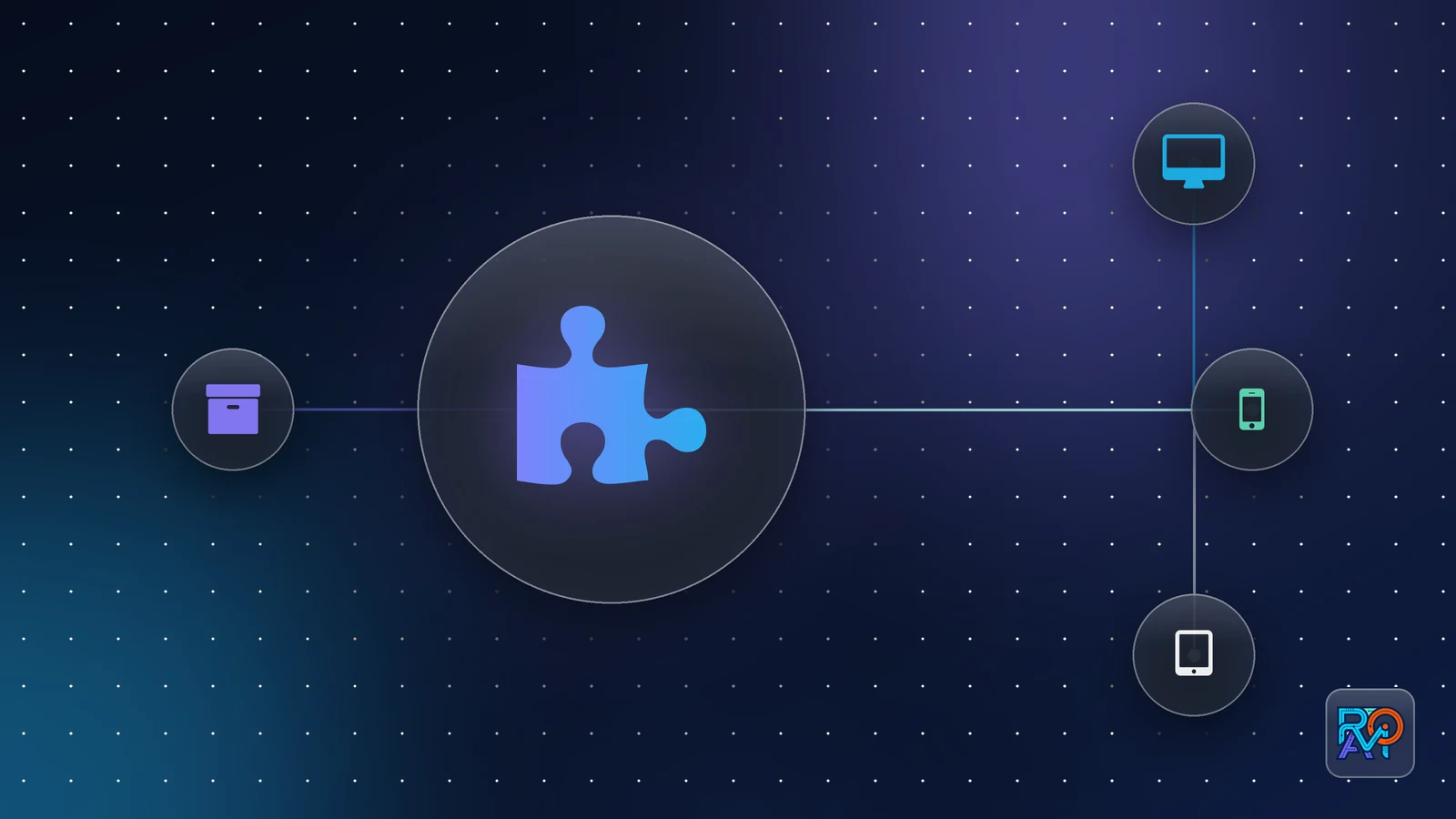
Headless means the backend serves content over an API and an independent frontend renders it. The real benefit is not the framework choice; it is that the content model stops depending on the presentation template.
What each layer must not know
Django owns the content model, validation and publication — not page layout.
The API owns a stable data contract — not the visual template.
Next.js owns rendering, routing and page cache — not the database schema.
The cost that gets mentioned less
Every model change has to be thought about twice: contract and consumer.
The cache has two layers, and you must know which one you are invalidating.
Draft preview stops being free and has to be designed.
Separating the layers is not cheap. It is cheaper than rewriting the template every year.